Sapphires are more than just beautiful gemstones — they are symbols of wisdom, strength, and royalty. Coveted for centuries and celebrated in cultures across the world, sapphires are among the most treasured gemstones in fine jewelry. Whether you’re drawn to their deep blue tones or enchanted by modern rainbow-hued creations, understanding sapphires fully enhances your appreciation and buying confidence.
What Is a Sapphire?
Sapphire is a variety of the mineral corundum, second only to diamond in hardness (9 on the Mohs scale). While traditionally recognized for their deep royal blue, sapphires come in almost every color—pink, yellow, green, orange, and the multicolored “rainbow” sapphire.
Unlike many gems, sapphires are not only prized for their brilliance but also for their durability and symbolic associations. They represent truth, loyalty, and nobility, making them ideal for engagement rings and heirloom pieces.
Pros and Cons of Choosing a Sapphire Engagement Ring
Pros –
- Variety of Colors: Available in many colors to match personal style.
- Strong and Durable: One of the hardest gemstones, good for everyday wear.
- Cost-Effective: Usually more affordable than diamonds.
- Unique Appeal: A meaningful and less common alternative to diamond rings.
Cons –
- Color Rarity: Some colors, like padparadscha (a pink-orange hue), are rare.
- Care Needed: Needs regular cleaning to keep its shine.
- Resale Value: May not increase in value like diamonds sometimes do.
- Availability: Large, high-quality sapphires can be hard to find.
The Birthstone of September
Sapphire is the birthstone for the month of September. People born in this month are believed to benefit from the sapphire’s protective energy, promoting clarity of thought and inner peace. In ancient beliefs, wearing sapphire was thought to ward off envy and attract divine favor.
Symbolism and Cultural Meaning of Sapphires
Cultural Beliefs – In many cultures, sapphires are thought to bring wisdom, protection, and good luck. Some believed they could protect against jealousy or harm.
Myths and Religion – Sapphires appear in ancient stories and religious texts. For instance, the ancient Persians believed the blue sky was a reflection of a giant sapphire beneath the earth.
Modern Meaning – Today, sapphires often represent love, loyalty, and commitment. That’s why they are a popular choice for engagement rings and other meaningful fine jewelry.
Royalty: Sapphires have been favored by royalty for centuries. Their enduring appeal has made them a popular choice for both bridal and fashion jewelry.
A notable example is the engagement ring Prince William presented to Kate Middleton, which originally belonged to his mother, Princess Diana. This ring features a 12-carat oval blue sapphire from Sri Lanka, encircled by 14 diamonds and set in 18-karat white gold. Diana selected it from a Garrard catalog in 1981, and it has since become one of the most recognized pieces of royal jewelry.
Long before this, sapphires were valued for their associations with qualities such as wisdom, virtue, and spiritual insight. In ancient Greece and Rome, they were believed to offer protection from envy and harm. During the Middle Ages, clergy wore sapphires to symbolize heaven, and the general populace considered them tokens of divine favor.
How Valuable Are Sapphires?
Sapphire Durability –
The durability of a gemstone is measured in three ways: hardness, toughness, and stability.
Hardness tells us how well a gemstone can resist scratches and chips. This is measured on the Mohs scale, which ranks minerals from 1 (softest) to 10 (hardest). Diamonds are rated 10, making them the hardest natural material. Sapphires are rated 9, which means they’re also quite hard and resistant to scratching.
Toughness refers to how well a gemstone can resist breaking or cracking. Sapphires are considered tough, meaning they don’t break easily.
Stability is about how well a gemstone holds up over time, especially in terms of appearance. This usually refers to color and whether it might fade. Sapphires that have been heat-treated (a common process to improve color) are stable. This means their color is not likely to change when exposed to sunlight or common household chemicals.
Where Sapphires Come From –
Sapphires are found in many parts of the world. Some of the main sources include Sri Lanka, Myanmar, Madagascar, and Australia. Sapphires from each location may differ in color and quality, depending on the local environment where they formed.
Colors of Sapphires –
Sapphires come in many colors, not just blue. You can find them in shades like pink, yellow, green, and even white. The color depends on the minerals present during their formation. Each color adds to the sapphire’s value and appeal.
Sapphire Colors –
Sapphires come in many different colors, not just blue. Here’s a closer look at the most common ones:
- Blue Sapphires: The most well-known type. Their blue color comes from iron and titanium in the stone.
- Pink Sapphires: These get their pink shade from a small amount of chromium.
- Yellow Sapphires: The yellow color is caused by iron—more iron than in green sapphires.
- Green Sapphires: These also get their color from iron, but in a different amount or form.
- Purple Sapphires: A mix of iron, titanium, and chromium gives them their purple color.
- Orange Sapphires: A blend of chromium and iron creates this bright orange look.
- Fancy Sapphires: This is a term for any sapphire that isn’t blue. It includes pink, yellow, green, purple, and orange sapphires.
- Padparadscha Sapphires: A rare type of fancy sapphire with a mix of pink and orange shades.
- Color-Changing Sapphires: These can look different depending on the light—changing color between daylight and indoor lighting.
Other Sapphire Colors You Might See –
- White Sapphires: These are clear or colorless sapphires, made from pure aluminum oxide.
- Black Sapphires: Dark in color, they can sometimes show a star-like pattern called asterism.
- Teal Sapphires: A mix of blue and green, often with tiny streaks of yellow.
- Peach Sapphires: These have a soft peach tone, often a mix of pink and orange.
- Bicolor Sapphires: These stones show two or more colors in the same gem, making each one unique.
How Much Do Sapphires Cost?
Prices can range from around $25 per carat for lower-quality stones to over $11,000 per carat for high-quality ones. A 1-carat blue sapphire typically costs between $450 and $1,600, depending on its quality.
Sapphires are usually sold by carat weight, and the price per carat depends a lot on the color. Some colors are more popular than others, so they tend to cost more—even if the quality is similar. Deep, vivid blue sapphires are generally more valuable.
Clarity also affects the price. The clearer the sapphire (meaning fewer visible marks or inclusions), the more it will usually cost.
Treatments play a role too. Many sapphires are heat-treated to improve their color. While heat-treated sapphires can still be high quality, unheated sapphires—especially blue ones—are rarer and usually more expensive.
Where the sapphire comes from can influence the price as well, though this usually only matters if the sapphire comes from a well-known or no-longer-active mine. For instance, sapphires from Kashmir are highly valued due to their unique color and rarity. Sapphires from Sri Lanka (Ceylon) and Myanmar (Burma) are also esteemed but usually priced lower than those from Kashmir.
Size or weight is another major factor. Since sapphires are priced per carat, a heavier stone will generally cost more. But here’s something to keep in mind: two sapphires can look the same size from the top, but one might be deeper and heavier. That deeper one could cost more, even though you won’t see the extra depth once it’s set in a ring.
Lab-Created vs. Natural Sapphires. Lab-created sapphires are generally less expensive than natural ones because they are more readily available. While they share the same physical and chemical properties as natural sapphires, their abundance makes them more affordable.
Pricing Examples
- High-Quality Sapphires: Prices range from $800 to $1,200 per carat.
- Mid-Quality Sapphires: These typically cost between $400 and $600 per carat.
- Kashmir Sapphires: Due to their rarity and distinctive color, these can fetch prices from $2,500 up to $60,000 per carat or more.
- Sri Lankan (Ceylon) Sapphires: Prices range from $30 to $490 per carat, depending on quality.
- Burmese Sapphires: These can cost between $390 and $7,795 per carat, based on their quality.
Sapphire vs. Diamond
Appearance
- Diamonds are known for their clear sparkle and brilliance. They reflect light effectively, giving them a bright and shiny look.
- Sapphires come in various colors, with blue being the most popular. They have a more subdued shine compared to diamonds but offer rich and deep hues.
Durability
- Diamonds are the hardest natural material, scoring 10 on the Mohs hardness scale. This makes them highly resistant to scratches and suitable for daily wear.
- Sapphires are also durable, scoring 9 on the Mohs scale. While slightly less hard than diamonds, they are still resistant to scratches and can be worn regularly with proper care.
Cost
- Diamonds tend to be more expensive, especially those with high clarity and color grades.
- Sapphires are generally more affordable. For example, a 1-carat blue sapphire can cost significantly less than a 1-carat diamond of similar quality.
Style and Settings
- Diamonds are often chosen for traditional and classic jewelry designs.
- Sapphires offer a colorful alternative and are commonly used in various settings, including halo and vintage-inspired designs.
Difference Summary
- Choose a diamond if you prefer a classic, clear gemstone with maximum sparkle and durability.
- Opt for a sapphire if you’re looking for a colorful, durable, and more budget-friendly option.
Types of Sapphire Jewelry and What They Represent
Sapphire Rings
- Rose Gold Diamond Cut Rainbow Sapphire Half Eternity Ring
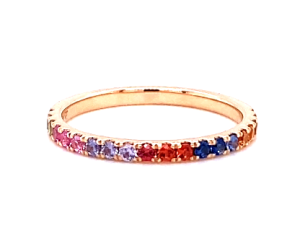
Celebrate color and elegance with this refined half eternity ring. Its rainbow sapphires in rose gold reflect a joyful yet luxurious style.
- Rose Gold Diamond & Sapphire Multirow Ring
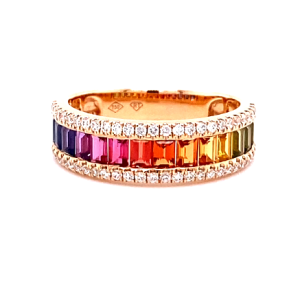
A bold statement piece, this multirow sapphire ring dazzles with a vibrant mix of diamonds and sapphires in a layered rose gold design.
Sapphire Bangles
Rose Gold Diamond & Sapphire Multirow Bangle with 3.31 Ct Sapphire and 0.70 Ct Diamonds

Rich in color and texture, this rose gold bangle is a radiant blend of sapphire rows and delicate diamonds, perfect for luxurious layering.
- Yellow Gold Diamond Cut Rainbow Sapphire Bangle Set with 1.82 Ct Sapphire

This yellow gold bangle bursts with multicolored sapphires, offering a vibrant, contemporary twist on classic gemstone jewelry.
Sapphire Neckpieces
White Gold Rainbow Diamond Cut Sapphire Circle Eternity Pendant Set
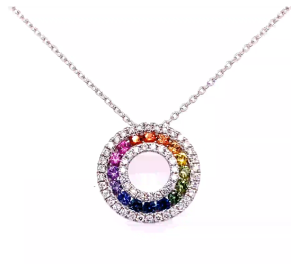
This circular pendant captures the essence of eternity with shimmering rainbow sapphires in a modern white gold setting.
Yellow Gold Maxi Multirow Diamond & Rainbow Sapphire Eternity Pendant
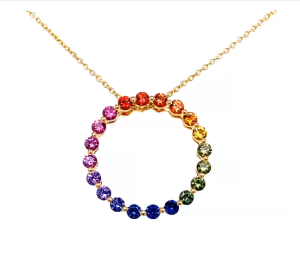
Bold and breathtaking, this pendant pairs radiant sapphires with sparkling diamonds in an intricate, layered design.
Tennis Bracelets with Sapphires
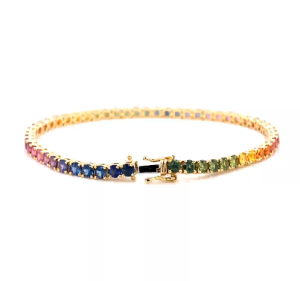
Sapphire tennis bracelets offer a refined balance between durability and elegance. Their flexible design and secure clasp make them perfect for daily wear or formal occasions. Whether you choose a classic blue sapphire line or a rainbow variation, sapphire tennis bracelets remain a timeless addition to fine jewelry collections.
Sapphire Earrings
- White Gold Rainbow Sapphire Huggies
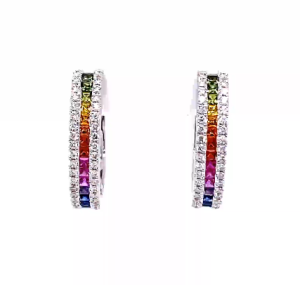
These huggie earrings wrap your ears in rows of sapphire brilliance, perfect for both everyday chic and festive occasions.
Things to Consider When Buying Sapphire Jewelry
Understand Sapphire Basics
Before making a purchase, it’s helpful to know what affects a sapphire’s quality:
- Color: The most noticeable feature; sapphires come in various colors, with blue being the most common.
- Clarity: Refers to the presence of inclusions or internal features.
- Treatments: Many sapphires undergo treatments to enhance their appearance.
- Origin: The source of the sapphire can influence its characteristics and value.
Set a budget beforehand and feel free to ask questions to make an informed decision.
Questions to Ask Your Jeweler
- Is the sapphire natural or has it been treated?
- Does it come with a certificate from a recognized gemological laboratory?
- What is the return or exchange policy?
- Can the fine jewelry online piece be customized to my preferences?
Focus on Color
Color is a primary factor in a sapphire’s appeal. While cut and clarity are important, the hue and saturation of the color often take precedence. Examine the stone’s color closely to ensure it meets your preferences.
Understand Treatments
Sapphires may undergo various treatments:
- Heat Treatment: Commonly used to enhance color and clarity.
- Beryllium Diffusion: Introduces beryllium to alter color, often resulting in yellow or orange hues.
- Surface Diffusion: Adds color to the surface layer of the stone.
Untreated sapphires are rarer and may be more valuable. Always inquire about any treatments the stone has undergone.
- Explore Color Variations
While blue sapphires are traditional, sapphires are available in a range of colors, including pink, yellow, green, and purple. Exploring different colors can lead to unique and personalized jewelry choices.
- Inclusions Are Common
Unlike diamonds, sapphires often contain inclusions, which are natural internal features. These do not necessarily detract from the stone’s beauty or value. A flawless sapphire is rare and may indicate a synthetic origin.
- View the Stone Before Purchase
Before buying, especially online, request high-quality images or videos of the actual sapphire. This allows you to assess its color, clarity, and overall appearance to ensure it meets your expectations.
Conclusion
Sapphires stand the test of time, both in symbolism and durability. Their beauty, rich meaning, and spectrum of colors make them a favorite for rings, bangles, pendants, and bracelets. At Grand Diamonds, our carefully curated sapphire jewelry is crafted in premium 18-karat gold, combining timeless aesthetics with modern craftsmanship. Explore the rainbow of possibilities and let sapphire jewelry become part of your legacy.
Interesting read: Your Zodiac & Your Diamond: What Shape Matches Your Star Sign?
Grand Diamonds guarantees sparkle with security
At Grand Diamonds, we take pride in offering exceptional sapphire and diamond jewelry that’s not just beautiful, but also trustworthy and backed by real value.
Certified Quality You Can Trust
Every diamond is certified by world-renowned institutes:
- GIA (Gemological Institute of America)
- HRD Antwerp
- IGI (International Gemological Institute)
These certifications guarantee the authenticity and quality of your jewelry.
Exceptional Customer Service
We believe buying jewelry should be a joyful experience. That’s why we offer:
- Lifetime Warranty
- Free Shipping
- Hassle-Free Returns
- Free Engraving
- 60-Day Free Resizing
- Lifetime Upgrade Options
Have questions or need help? Our customer service team is always ready to assist.
Loved by Customers
🌟 Certificate of Excellence on TripAdvisor
🌟 5/5 rating from 319 happy customers
Come explore our collection and see why Grand Diamonds is a trusted name for fine jewelry.